

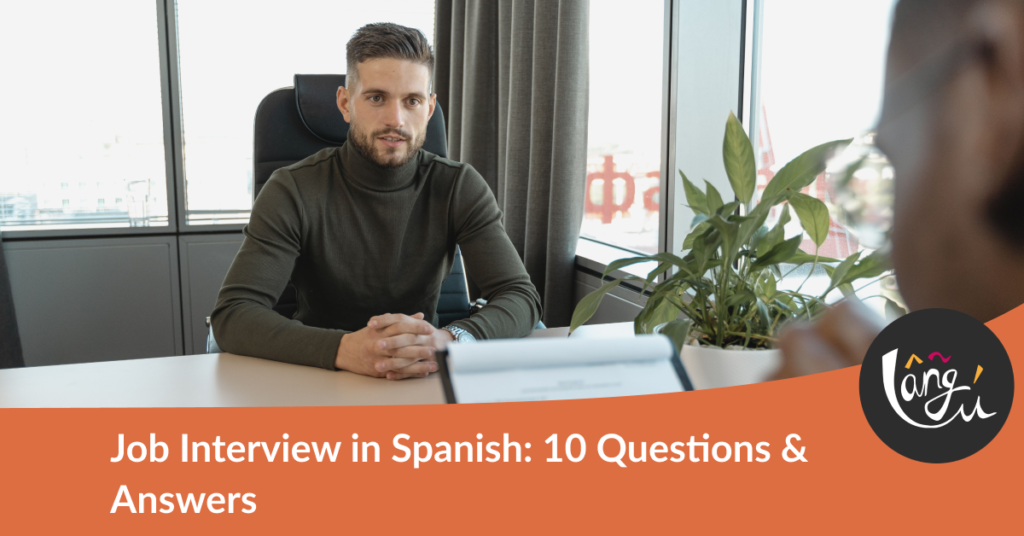
Landing a new job can be exciting, but interviewing in another language often feels intimidating. If you’re preparing for a job interview in Spanish, having the right vocabulary, knowing how to answer common questions, and understanding professional etiquette can make a huge difference.
Whether you’re applying for a position in Spain, Mexico, Colombia, Argentina, or another Spanish-speaking country, employers expect candidates to communicate clearly and confidently. Fortunately, you don’t need to speak perfect Spanish to leave a great impression. What matters most is being prepared, using professional language, and responding naturally.
In this guide, you’ll discover the 10 most common job interview questions in Spanish, complete with English translations, sample answers, useful vocabulary, and practical interview tips. By the end of this article, you’ll feel much more confident walking into your next interview.
Table of Contents
Why Prepare for a Job Interview in Spanish?
A job interview in Spanish is about much more than answering questions. It’s your opportunity to demonstrate professionalism, communication skills, and confidence. When the interview takes place in Spanish, preparation becomes even more important.
Many employers understand that non-native speakers may make small grammar mistakes. However, they also appreciate candidates who can communicate effectively, explain their experience, and interact politely.
Preparing in advance offers several benefits:
- You’ll feel more confident during the interview.
- You’ll answer questions more naturally.
- You’ll expand your professional Spanish vocabulary.
- You’ll reduce stress and nervousness.
- You’ll create a stronger first impression.
Even spending an hour practicing common interview questions can dramatically improve your performance.
Essential Job Interview Vocabulary
Before practicing interview questions, familiarize yourself with some of the most common words you’ll hear during a job interview in Spanish.
| Spanish | English |
|---|---|
| Entrevista de trabajo | Job interview |
| Currículum (CV) | Resume |
| Experiencia laboral | Work experience |
| Habilidades | Skills |
| Fortalezas | Strengths |
| Debilidades | Weaknesses |
| Empleo | Employment |
| Empresa | Company |
| Puesto | Position |
| Salario | Salary |
| Jornada laboral | Working hours |
| Equipo | Team |
| Proyecto | Project |
| Supervisor | Manager |
| Cliente | Customer |
| Objetivos | Goals |
| Logros | Achievements |
| Responsabilidades | Responsibilities |
| Formación | Education |
| Referencias | References |
Learning these terms beforehand will help you understand questions faster and answer more confidently when you have a job interview in Spanish.
Interview Tips Before You Start
Success begins long before the interview starts. Here are several practical tips that can help you make an excellent impression.
Practice Speaking Out Loud
Reading Spanish is one thing, but speaking it confidently is another. Practice answering common questions aloud until your responses feel natural.
Don’t worry about sounding perfect. Employers value clear communication much more than flawless pronunciation.
Research the Company
Before attending your interview, spend time learning about the company.
Find out:
- What products or services they offer
- Their mission and values
- Their recent achievements
- The position you’re applying for
Being familiar with the company allows you to give more personalized answers.
Dress Professionally
Professional appearance matters in nearly every workplace.
Choose clothing appropriate for the company’s culture while ensuring you look neat and confident.
Arrive Early
Plan to arrive about 10–15 minutes before your interview.
Being punctual demonstrates responsibility and respect for the interviewer’s time.
10 Common Job Interview Questions & Answers
1. Háblame de ti.
(Tell me about yourself.)
This is one of the most common opening questions in any job interview in Spanish. Employers want a brief overview of your professional background—not your entire life story.
Sample Answer
Me llamo Daniel y tengo cinco años de experiencia en atención al cliente. Me gusta trabajar en equipo, resolver problemas y aprender nuevas habilidades. Actualmente estoy buscando una oportunidad para seguir creciendo profesionalmente.
Translation
My name is Daniel, and I have five years of experience in customer service. I enjoy working in a team, solving problems, and learning new skills. I’m currently looking for an opportunity to continue growing professionally.
Why This Answer Works
Instead of focusing on personal details, the answer highlights:
- Professional experience
- Positive personality traits
- Career goals
Interviewers appreciate concise, relevant introductions.
2. ¿Por qué quieres trabajar con nosotros?
(Why do you want to work with us?)
Employers ask this question to see whether you’ve researched the company and whether you’re genuinely interested in the role.
Sample Answer
Me interesa su empresa porque tiene una excelente reputación y ofrece oportunidades de desarrollo profesional. Además, creo que mis habilidades pueden aportar valor a su equipo.
Translation
I’m interested in your company because it has an excellent reputation and offers opportunities for professional growth. I also believe my skills can add value to your team.
Interview Tip
Avoid saying you only want the job because you need money. Instead, connect your experience, goals, and values with the company you’re applying to.
3. ¿Cuáles son tus fortalezas?
(What are your strengths?)
This question allows you to highlight the qualities that make you an excellent candidate.
Choose strengths that relate directly to the position you’re applying for.
Sample Answer
Considero que una de mis principales fortalezas es la organización. También aprendo rápidamente y disfruto trabajando con otras personas para alcanzar objetivos comunes.
Translation
I believe one of my greatest strengths is organization. I also learn quickly and enjoy working with others to achieve common goals.
Good strengths to mention include:
- Communication
- Teamwork
- Leadership
- Problem-solving
- Adaptability
- Time management
- Attention to detail
4. ¿Cuál es tu mayor debilidad?
(What is your greatest weakness?)
Sample Answer
This question often makes candidates nervous, but it’s an opportunity to show self-awareness and a willingness to improve. Choose a real weakness that isn’t critical to the job and explain how you’re working on it.
Antes me costaba delegar tareas porque quería asegurarme de que todo saliera perfecto. Sin embargo, he aprendido a confiar más en mi equipo y a comunicarme mejor para lograr mejores resultados.
Translation
I used to struggle with delegating tasks because I wanted everything to be perfect. However, I’ve learned to trust my team more and communicate better to achieve the best results.
Interview Tip
Avoid saying you have “no weaknesses.” Employers appreciate honesty and continuous improvement.
5. ¿Por qué dejaste tu último trabajo?
(Why did you leave your last job?)
Employers want to understand your motivation for changing jobs. Keep your answer positive and avoid criticizing previous employers.
Sample Answer
Disfruté mucho de mi trabajo anterior, pero estaba buscando nuevas oportunidades para crecer profesionalmente y asumir mayores responsabilidades.
Translation
I really enjoyed my previous job, but I was looking for new opportunities to grow professionally and take on greater responsibilities.
Interview Tip
Focus on your future rather than your past. Employers like candidates who are motivated by growth.
6. ¿Dónde te ves en cinco años?
(Where do you see yourself in five years?)
This question helps employers understand your career ambitions and whether you plan to stay with the company.
Sample Answer
Me gustaría desarrollar mis habilidades, asumir nuevos retos y convertirme en una parte importante del equipo. Espero seguir creciendo profesionalmente dentro de la empresa.
Translation
I’d like to develop my skills, take on new challenges, and become an important part of the team. I hope to continue growing professionally within the company.
7. ¿Cómo manejas el estrés?
(How do you handle stress?)
Every workplace experiences busy periods, so employers want to know how you react under pressure.
Sample Answer
Cuando tengo mucho trabajo, organizo mis tareas por prioridad y mantengo una actitud positiva. También trato de comunicarme con mi equipo para resolver cualquier problema rápidamente.
Translation
When I have a heavy workload, I organize my tasks by priority and maintain a positive attitude. I also communicate with my team to solve problems quickly.
8. ¿Puedes trabajar en equipo?
(Can you work in a team?)
Collaboration is one of the most valued workplace skills.
Sample Answer
Sí. Me gusta colaborar con otras personas, compartir ideas y apoyar a mis compañeros para alcanzar los objetivos del equipo.
Translation
Yes. I enjoy collaborating with others, sharing ideas, and supporting my colleagues to achieve the team’s goals.
9. ¿Cuál es tu mayor logro profesional?
(What is your greatest professional achievement?)
Choose an accomplishment that demonstrates measurable results whenever possible.
Sample Answer
En mi trabajo anterior ayudé a mejorar el servicio al cliente, reduciendo el tiempo de respuesta en un 30 %. Fue un proyecto muy satisfactorio porque benefició tanto a los clientes como a la empresa.
Translation
In my previous job, I helped improve customer service by reducing response times by 30%. It was a very rewarding project because it benefited both customers and the company.
Interview Tip
Whenever possible, include numbers or measurable achievements to make your answer more convincing.
10. ¿Cuáles son tus expectativas salariales?
(What are your salary expectations?)
Salary discussions can be uncomfortable, but they’re a normal part of the hiring process.
Sample Answer
Estoy abierto a discutir una oferta justa basada en las responsabilidades del puesto y las oportunidades de crecimiento profesional.
Translation
I’m open to discussing a fair offer based on the responsibilities of the position and the opportunities for professional growth.
Interview Tip
Research average salaries for similar positions before your interview so you can answer confidently.
Final Tips for a Successful Job Interview in Spanish
Preparing for a job interview in Spanish isn’t just about memorizing answers. It’s about communicating naturally, showing confidence, and demonstrating genuine interest in the role.
Before your interview, remember to:
- Practice your answers aloud.
- Learn key professional vocabulary.
- Research the company.
- Arrive early.
- Maintain eye contact and smile.
- Speak clearly and confidently.
- Don’t be afraid to ask for clarification if you don’t understand a question.
Even if your Spanish isn’t perfect, employers appreciate candidates who prepare thoroughly and communicate professionally.
The more you practice these common interview questions, the more comfortable you’ll feel when it’s time for the real interview.
Remember that some interviewers might want to have a small talk before the more formal talk – for that, you can check out how to talk about hobbies in Spanish.
At Langu, you can also find experienced Spanish teachers who offer private online lessons tailored to your goals. Whether you’re preparing for your first interview or applying for a professional role in a Spanish-speaking country, your tutor can help you:
- Practice common job interview questions
- Improve fluency and pronunciation
- Learn professional business Spanish
- Receive personalized feedback on your answers
- Build the confidence to speak naturally during interviews
Browse experienced Spanish tutors and book a lesson that fits your schedule on Langu’s Spanish teachers page. With personalized practice, you’ll be ready to make a great first impression in your next interview.
Frequently Asked Questions
What are the most common questions in a job interview in Spanish?
Some of the most common questions include **”Háblame de ti” (Tell me about yourself), “¿Cuáles son tus fortalezas?” (What are your strengths?), “¿Por qué quieres trabajar con nosotros?” (Why do you want to work with us?), and “¿Dónde te ves en cinco años?” (Where do you see yourself in five years?). Practicing these questions can significantly improve your confidence.
Do I need to be fluent for a job interview in Spanish?
Not necessarily. Many employers understand that candidates may not be native speakers. Clear communication, preparation, and confidence are often more important than perfect grammar. Focus on using professional vocabulary and answering questions naturally.
How can I prepare for a job interview in Spanish?
The best way to prepare is to practice common interview questions, expand your professional vocabulary, research the company, and rehearse your answers aloud. The more familiar you become with typical interview situations, the more confident you’ll feel during the conversation.